
Coordination sphere
Describes ligands directly and indirectly attached to a metal center.

Ben Mills · Public domain
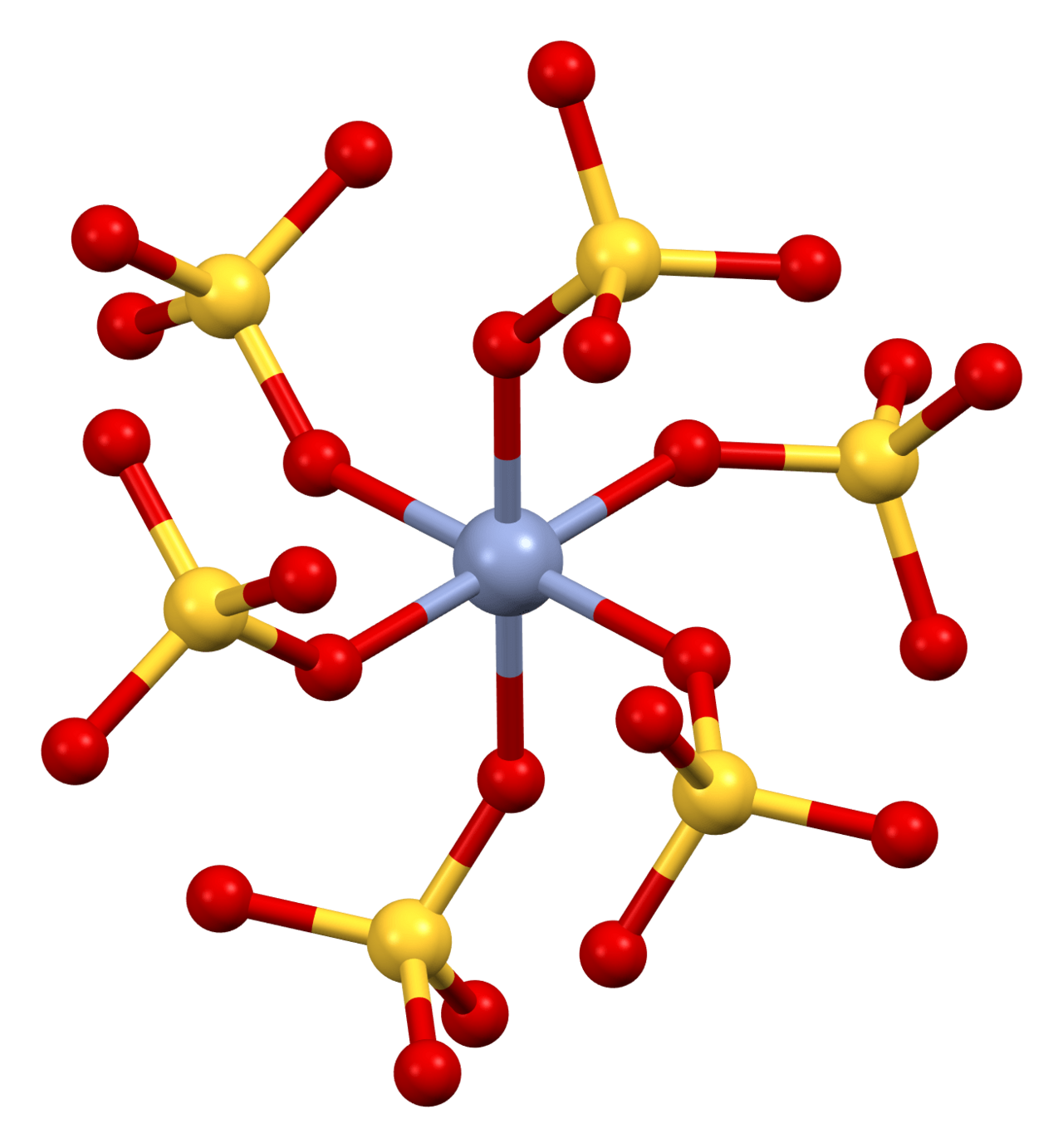
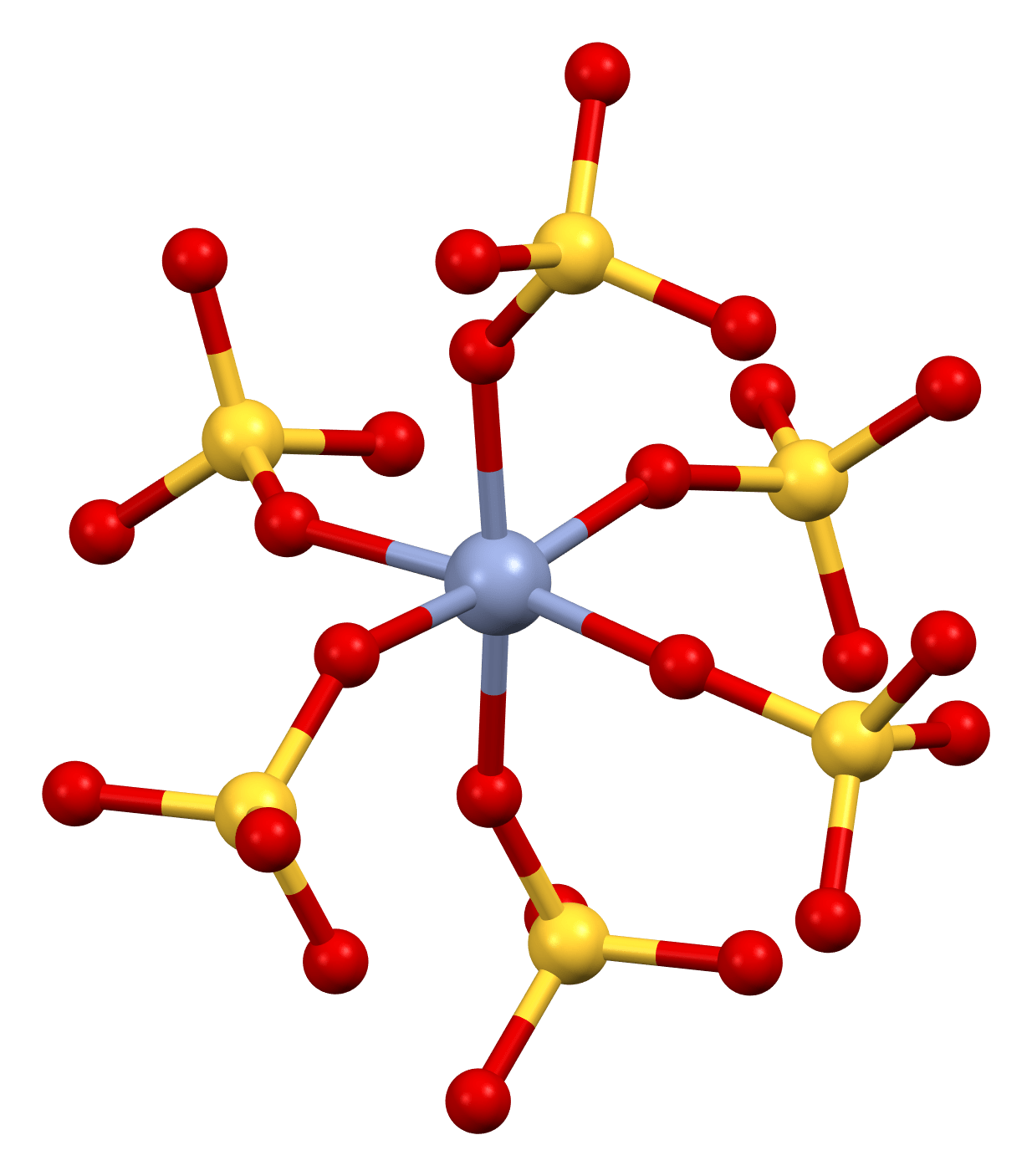
In coordination chemistry, the coordination sphere describes the arrangement of molecules and ions around a central metal atom. The first coordination sphere consists of ligands directly attached to the metal, while the second coordination sphere comprises molecules and ions attached to the first sphere, often through hydrogen bonding or ion pairing.
- field
- Coordination chemistry
- known_for
- First and second coordination spheres in metal complexes
Lore & Background
The first coordination sphere refers to the molecules attached directly to the metal. In hexamminecobalt(III) chloride ([Co(NH3)6]Cl3), the cobalt cation plus the six ammonia ligands form the first coordination sphere, with 18 N−H bonds radiating outward. The second coordination sphere consists of ions, molecules that hydrogen bond to first-sphere ligands, and portions of a ligand backbone. Compared to the first sphere, the second sphere has a less direct influence on reactivity but is relevant to understanding ligand exchange and catalysis.
Reader's Guide
The concept of the coordination sphere is fundamental to coordination chemistry. The first sphere directly determines the metal's geometry and primary bonding, while the second sphere modulates reactivity through non-covalent interactions. In metalloproteins, the second sphere is often modulated by the protein environment. Ligand exchange between the first and second spheres is the first step in substitution reactions, and associative substitution involves the entering nucleophile residing in the second sphere. These effects are relevant to MRI contrast agents. Inner sphere electron transfer and some proton-coupled electron transfer reactions involve atom transfer between second coordination spheres. Solvent effects on color and stability are often due to changes in the second sphere, especially in complexes with strong hydrogen-bond donors or acceptors like [Co(NH3)6]3+ and [Fe(CN)6]3−. Macrocyclic molecules such as cyclodextrins can act as the second coordination sphere.
Did You Know?
- The first coordination sphere consists of ligands directly attached to the metal atom.
- The second coordination sphere can include ions, hydrogen-bonding molecules, and portions of a ligand backbone.
- In associative ligand substitution, the entering nucleophile resides in the second coordination sphere.
- Crown-ethers bind to polyamine complexes through their second coordination sphere.
Gallery
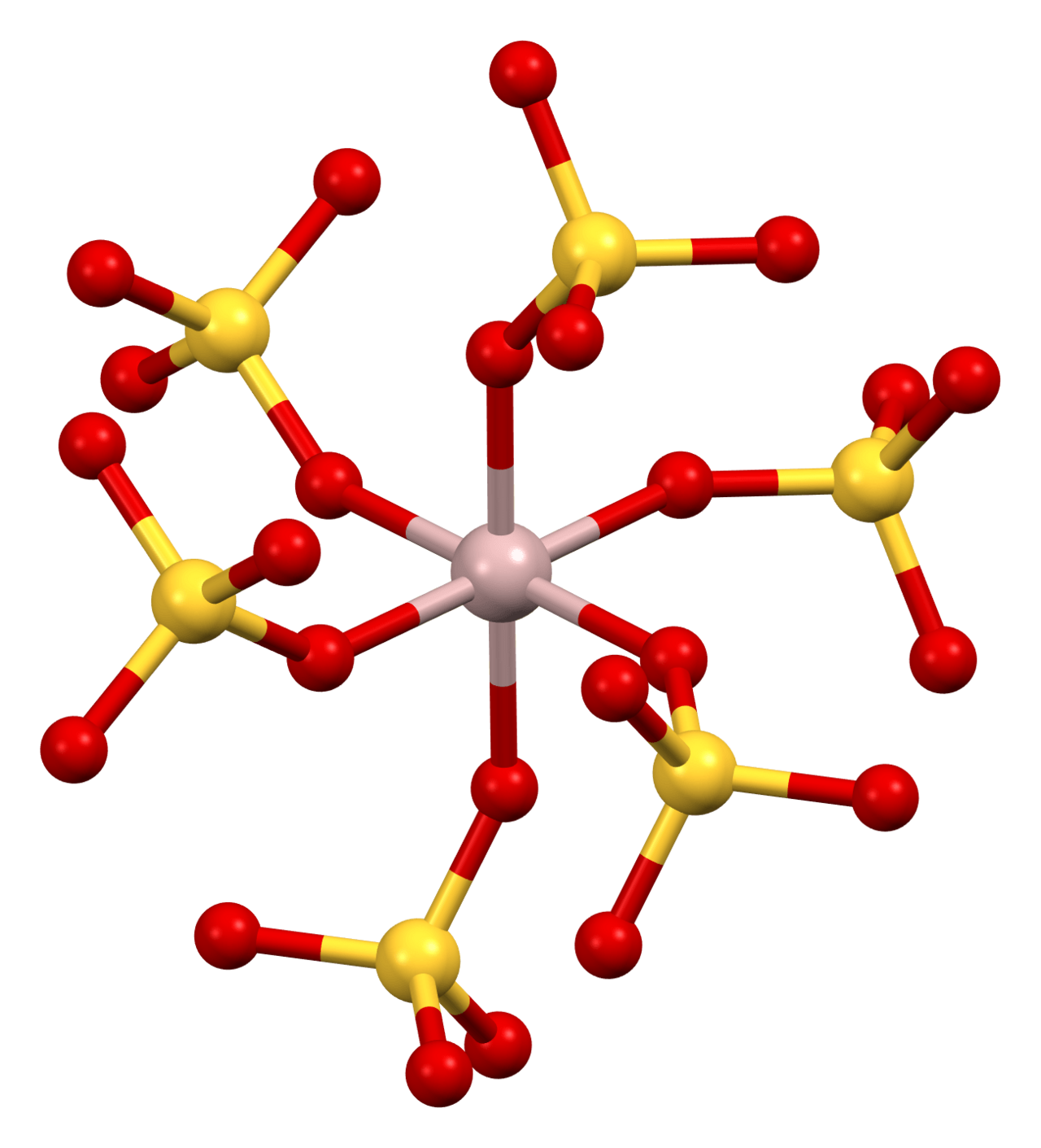
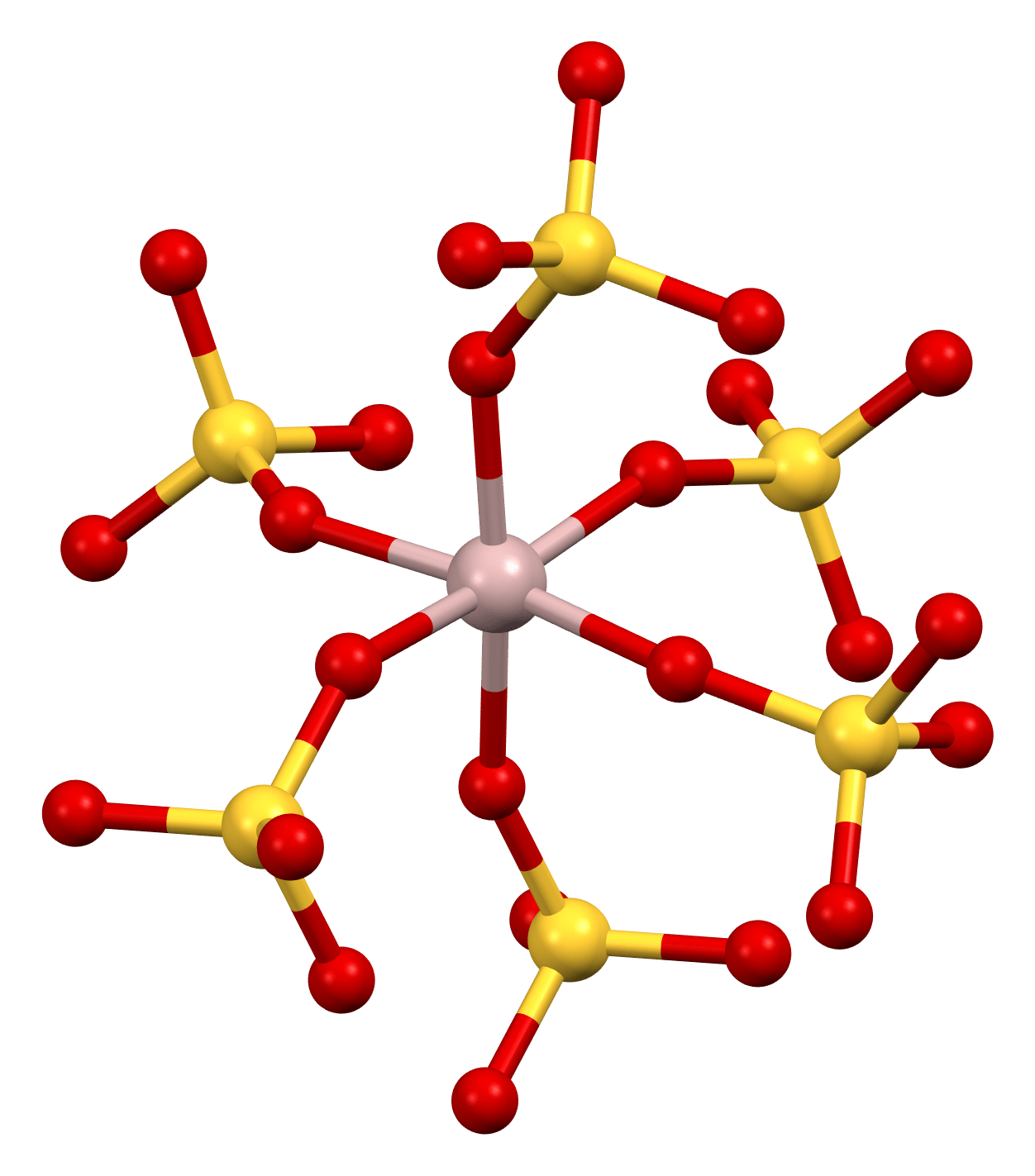
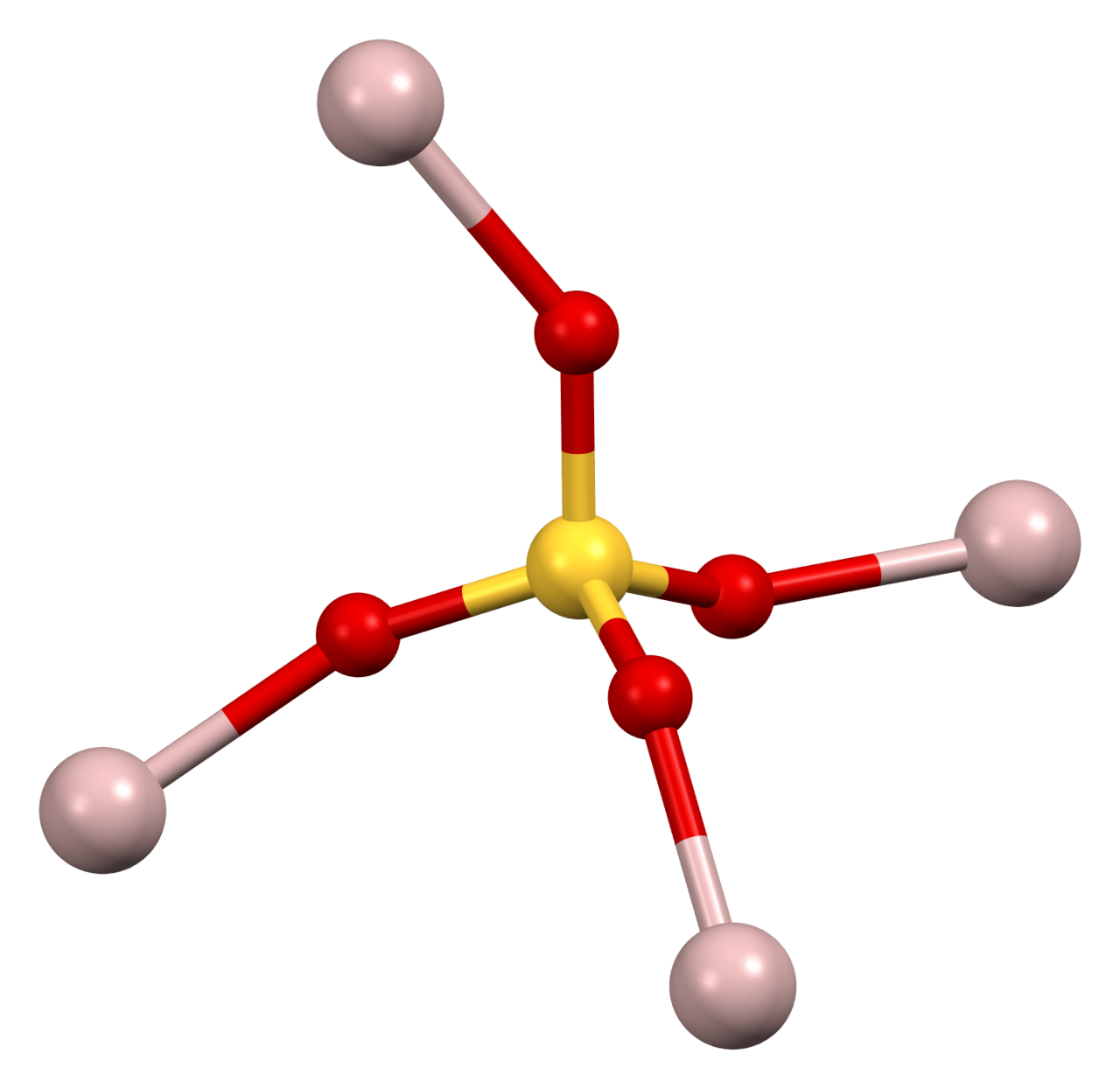
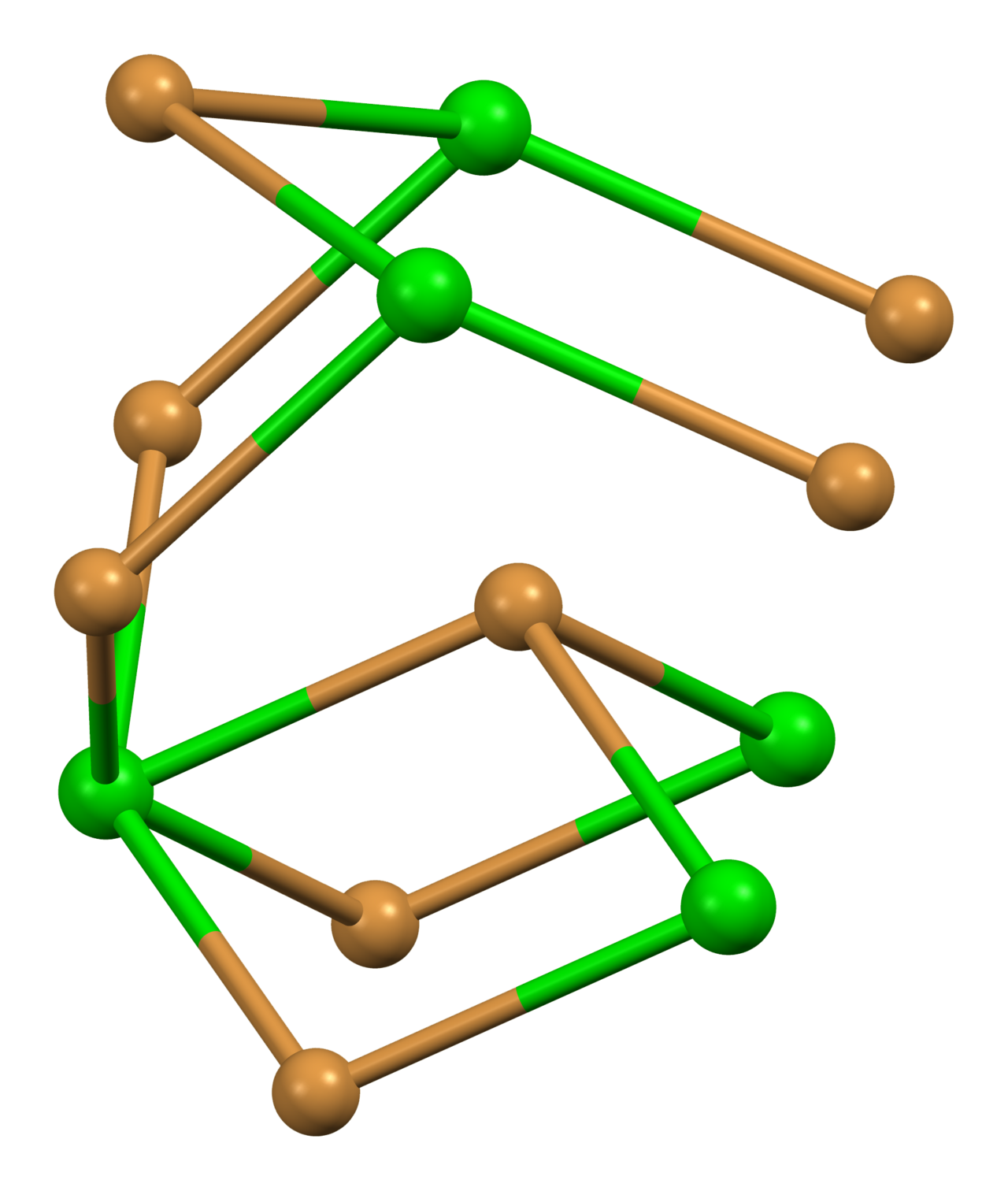
Frequently Asked Questions
Who is Coordination sphere?
In coordination chemistry, the coordination sphere is the term for the full arrangement of surrounding molecules and ions organized around a central metal atom. It maps out both the ligands directly bonded to the metal and the species that interact with those primary ligands at a slightly greater distance.
What are Coordination sphere's powers/role?
Its core role is to describe how ligands attach directly to a metal center (first sphere) and how additional species interact with those primary ligands through hydrogen bonding or ion pairing (second sphere). This gives chemists a complete picture of the local structural environment around the metal.
How does Coordination sphere's story end?
The concept has no narrative conclusion, but in practice the description is considered complete once every directly bonded ligand and its secondary interactions are accounted for. Beyond that boundary, the broader solution environment takes over the description.
Why is Coordination sphere important?
It is essential because it lets chemists predict reactivity, stability, and electronic properties of metal complexes by identifying exactly which species are in direct contact with the metal versus those merely nearby. Without this framework, describing the local structure of a metal center would be far less precise.
What's the difference between first and second coordination sphere?
The first coordination sphere consists of ligands with a direct chemical bond to the central metal ion, while the second sphere includes molecules or ions that attach to those first-sphere ligands via weaker interactions like hydrogen bonds or ion pairs. Think of it as the inner ring of directly bonded partners versus the outer ring of secondary interactors.
More in Electrochemistry And Surface Chemistry 1-18
Spotted an error? Know more?
This is a living reference — every entry is fact-audited, and reader corrections feed straight into our audit queue. Suggest an edit · See this site's audit record