
Electrolyte
Substance conducting electricity through ion movement, vital in biology and technology.

Ajay Kumar Chaurasiya · CC BY-SA 4.0
An electrolyte is a substance that conducts electricity via the movement of ions rather than electrons. This category includes most soluble salts, acids, and bases when dissolved in a polar solvent such as water, as well as solid-state electrolytes. In medical and sometimes chemical contexts, the term "electrolyte" refers specifically to the dissolved substance. When an electric potential is applied to an electrolyte solution, cations move toward the electron-rich electrode and anions toward the electron-deficient electrode, creating a current through their opposite-direction flow. Some gases, like hydrogen chloride, can also act as electrolytes under high temperature or low pressure. Electrolyte solutions can form from biological polymers (e.g., DNA, polypeptides) or synthetic ones (e.g., polystyrene sulfonate), known as polyelectrolytes, which contain charged functional groups. Common electrolyte ions in liquid phase include sodium, potassium, chloride, calcium, magnesium, and phosphate. In medicine, electrolyte replacement is necessary after prolonged vomiting, diarrhea, or heavy sweating from athletic activity. Commercial solutions exist for sick children (e.g., oral rehydration solution, Suero Oral, Pedialyte) and athletes (sports drinks). Electrolyte monitoring is important in treating anorexia and bulimia. In science, electrolytes are key components of electrochemical cells. Clinically, "electrolytes" often refer metonymically to ion concentrations in blood, serum, urine, or other fluids—not to fluid volumes. The word "electrolyte" comes from Ancient Greek *ēlectro-* (originally "amber," now related to electricity) and *lytos* ("able to be taken apart"). Michael Faraday had earlier coined the term "ions" for charged particles produced during electrolysis, but Arrhenius proposed that ions exist in salt solutions even without an electric current, meaning chemical reactions in solution are reactions between ions. Shortly after, Franz Hofmeister and Siegmund Lewith discovered that different ion types affect protein solubility and other systems in a consistent order, now called the Hofmeister series. The origins of these effects remain debated, but charge density is thou
- field
- Chemistry, Physiology, Medicine
- known_for
- Conducting electricity via ions; essential for nerve and muscle function; key component of electrochemical cells
- key_ions
- Sodium, potassium, chloride, calcium, magnesium, phosphate
- etymology
- From Ancient Greek 'ēlectro-' (amber/electricity) and 'lytos' (able to be taken apart)
Lore & Background
Michael Faraday had earlier named these particles 'ions,' believing they were produced during electrolysis. Arrhenius argued that ions exist even without an electric current, meaning chemical reactions in solution are reactions between ions. Shortly after, Franz Hofmeister and Siegmund Lewith found that different ion types affect protein solubility in a consistent ordering, now known as the Hofmeister series. The origins of these effects remain debated, with suggestions that charge density, rooted in Coulomb's work, may be important.
Reader's Guide
Electrolytes are fundamental to both technology and life. In science, they are main components of electrochemical cells, enabling batteries and fuel cells. In physiology, ions like sodium, potassium, calcium, and magnesium regulate fluid balance, blood pH, nerve impulses, and muscle contraction. Electrolyte imbalances—from vomiting, diarrhea, sweating, or disorders like anorexia—can cause cardiac or neurological emergencies. Measurement via blood tests or urinalysis is routine, though interpretation requires clinical context. Rehydration solutions (e.g., oral rehydration solution, sports drinks) restore electrolyte levels. The Hofmeister series, though not fully explained, shows ion-specific effects on proteins, highlighting ongoing research. Electrolytes also enable electrolysis to extract elements and are used in advanced forms like ionic liquids and solvent-in-salt electrolytes.
Did You Know?
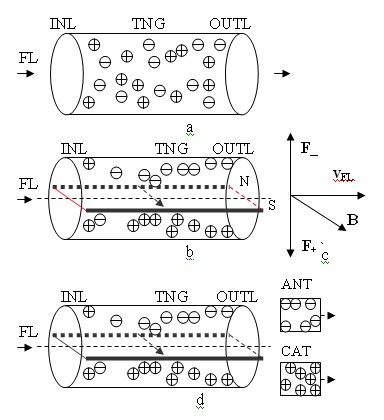
- Electrolyte solutions are electrically neutral; when a potential is applied, cations move toward the electron-rich electrode and anions toward the electron-poor electrode.
- Some gases, such as hydrogen chloride, can function as electrolytes under high temperature or low pressure.
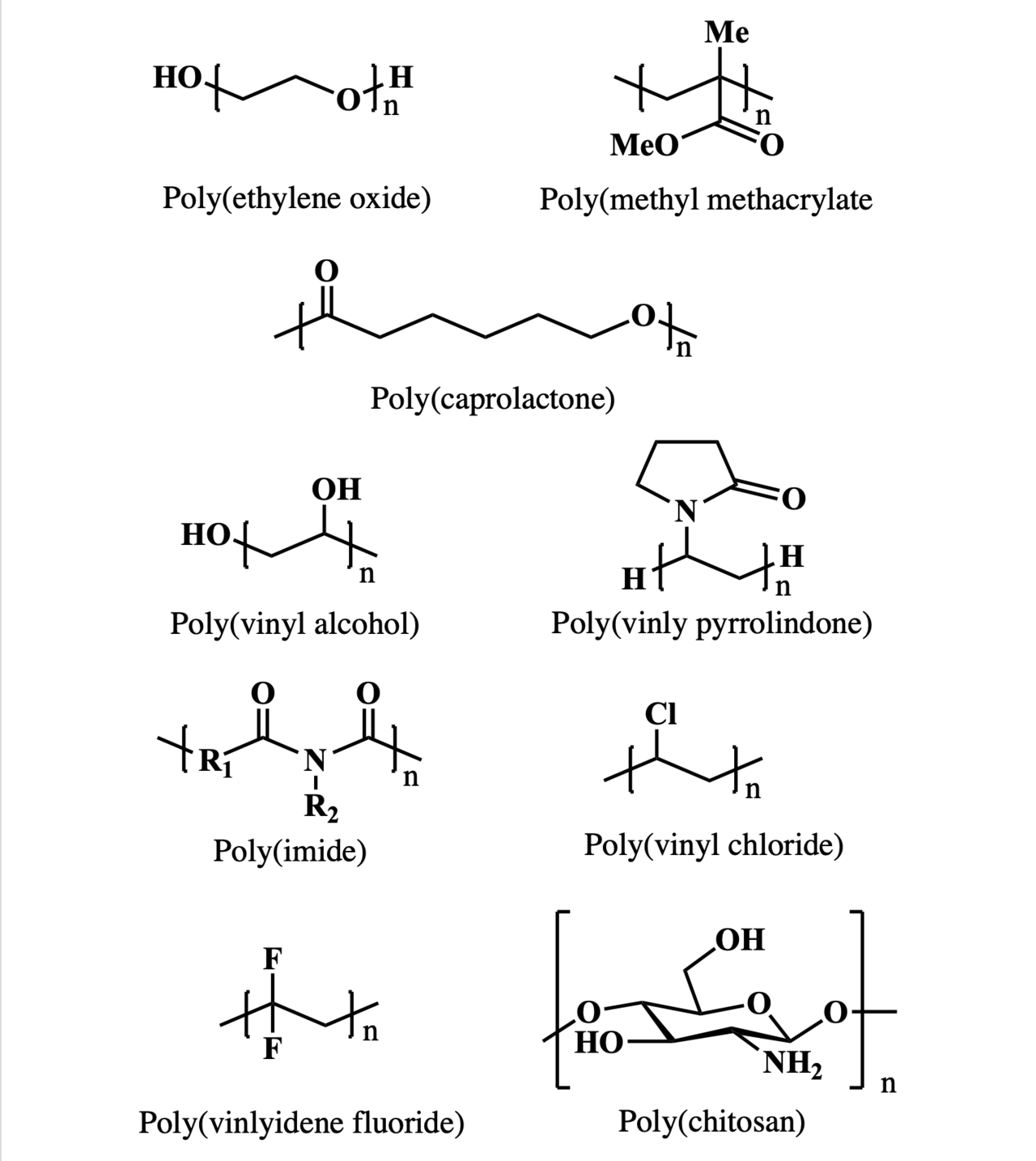
- Polyelectrolytes include biological polymers like DNA and synthetic ones like polystyrene sulfonate.
- Electrolyte monitoring is important in treating anorexia and bulimia.
Fundamental Nature & Conductivity
An electrolyte is fundamentally a substance that carries electrical current not by shuttling free electrons, but by the migration of charged particles called ions. When soluble salts, acids, or bases dissolve in a polar medium such as water, they break apart into positively charged cations and negatively charged anions that spread evenly through the liquid. The resulting solution remains electrically neutral overall. However, the moment an electric potential is applied, the cations drift toward the electrode rich in electrons while the anions head toward the electron-deficient electrode. This simultaneous, opposing migration of the two ion types constitutes an electric current. The phenomenon is not limited to liquid solutions: certain gases like hydrogen chloride can behave as electrolytes under extreme temperature or low-pressure conditions, and solid-state electrolytes also exist. In clinical and chemical contexts, the word electrolyte often refers specifically to the dissolved substance itself rather than the entire solution.
Historical Foundations & Theoretical Milestones
The modern understanding of electrolytes rests on a chain of insights spanning decades. Michael Faraday, working in the early-to-mid nineteenth century, coined the term ions and believed these charged particles were generated during electrolysis. It was not until 1884 that Svante Arrhenius, in his doctoral dissertation, proposed the radical idea that crystalline salts already split into paired charged particles the instant they dissolve, even without any applied current. This meant chemical reactions in solution were, at their core, interactions between ions. Arrhenius's insight earned him the 1903 Nobel Prize in Chemistry. Shortly after, Franz Hofmeister and Siegmund Lewith observed that different ion species exerted distinct and reproducible effects on properties such as protein solubility, establishing what is now called the Hofmeister series. The underlying physics of these ion-specific effects has remained debated for over a century, with one line of explanation pointing to charge density and connecting back to principles articulated by Charles-Augustin de Coulomb more than two hundred years earlier.
Physiological & Medical Significance
In the human body, electrolytes are the charged ions that maintain the delicate electrical and fluid balance essential to life. The principal players include sodium, potassium, calcium, magnesium, chloride, hydrogen phosphate, and hydrogen carbonate. Sodium dominates the fluid outside cells, while potassium reigns inside them, and together they govern fluid distribution and blood pressure. Every known multicellular organism depends on a precise, finely tuned electrolyte gradient between its intracellular and extracellular compartments. Clinically, electrolyte monitoring is a cornerstone of treating conditions such as anorexia and bulimia, where ion concentrations can drift dangerously. Replacement therapy, delivered through oral rehydration solutions like Pedialyte or Suero Oral for sick children, or sports drinks for athletes, becomes necessary after prolonged vomiting, diarrhea, or heavy sweating from intense exercise. In medical parlance, references to electrolyte levels almost always mean the concentrations of specific ions in blood, serum, or urine, not the volume of fluid itself.
Formation, Varieties & Applied Roles
Electrolyte solutions typically arise through solvation: when a solid like sodium chloride is introduced to water, thermodynamic interactions between solvent and solute molecules pull the crystal apart into free-floating sodium and chloride ions. Substances can also react with water to generate ions, as carbon dioxide does, yielding hydronium, carbonate, and hydrogen carbonate species. Molten salts serve as electrolytes too; ionic liquids, which are molten salts with melting points below 100 degrees Celsius, are especially valued as highly conductive non-aqueous electrolytes in fuel cells and batteries. Highly concentrated solvent-in-salt formulations, where salt exceeds 3 molar, represent another promising class. Electrolytes are categorized as strong when most of the solute dissociates into free ions, or weak when dissociation is partial. Beyond simple salts, polyelectrolytes, such as DNA, polypeptides, or polystyrene sulfonate, carry charged functional groups and form their own electrolyte solutions. In electrochemistry, electrolytes are among the principal components of electrochemical cells, and electrolysis can be harnessed to extract constituent elements and compounds from solution.
Gallery

Frequently Asked Questions
What exactly is an electrolyte?
An electrolyte is a substance that carries an electric current through the migration of charged particles called ions rather than through free electrons as in a metal conductor. The term covers dissolved salts, acids, and bases in polar solvents like water, as well as certain solid-state materials.
How does an electrolyte actually conduct electricity?
When a voltage is applied across an electrolyte solution, positively charged ions drift toward the electron-rich electrode while negatively charged ions drift toward the electron-deficient one, and this opposing flow of charges together constitutes the measured current.
Why are electrolytes so critical in the human body?
Ions such as sodium, potassium, chloride, calcium, magnesium, and phosphate serve as the electrolytes that drive nerve impulses, muscle contractions, and fluid-balance regulation, making them indispensable to virtually every physiological process.
Where does the word 'electrolyte' come from?
The term fuses the Ancient Greek prefix 'ēlectro-' (amber, the material associated with early observations of static charge) with 'lytos' (capable of being separated or dissolved), essentially naming a substance that can be split into its charged components.
More in Electrochemistry And Surface Chemistry 1-18
Spotted an error? Know more?
This is a living reference — every entry is fact-audited, and reader corrections feed straight into our audit queue. Suggest an edit · See this site's audit record